Energy Efficiency in Edible Oil Refining: Why System Design Matters More Than Equipment
Henan QIE Machinery Co.Ltd
2026-07-04
Technical knowledge
Discover how system-level design improves energy efficiency in edible oil refining plants through vacuum deodorization and heat recovery systems. QIE Group delivers turnkey EPC solutions for optimized oil refinery performance.

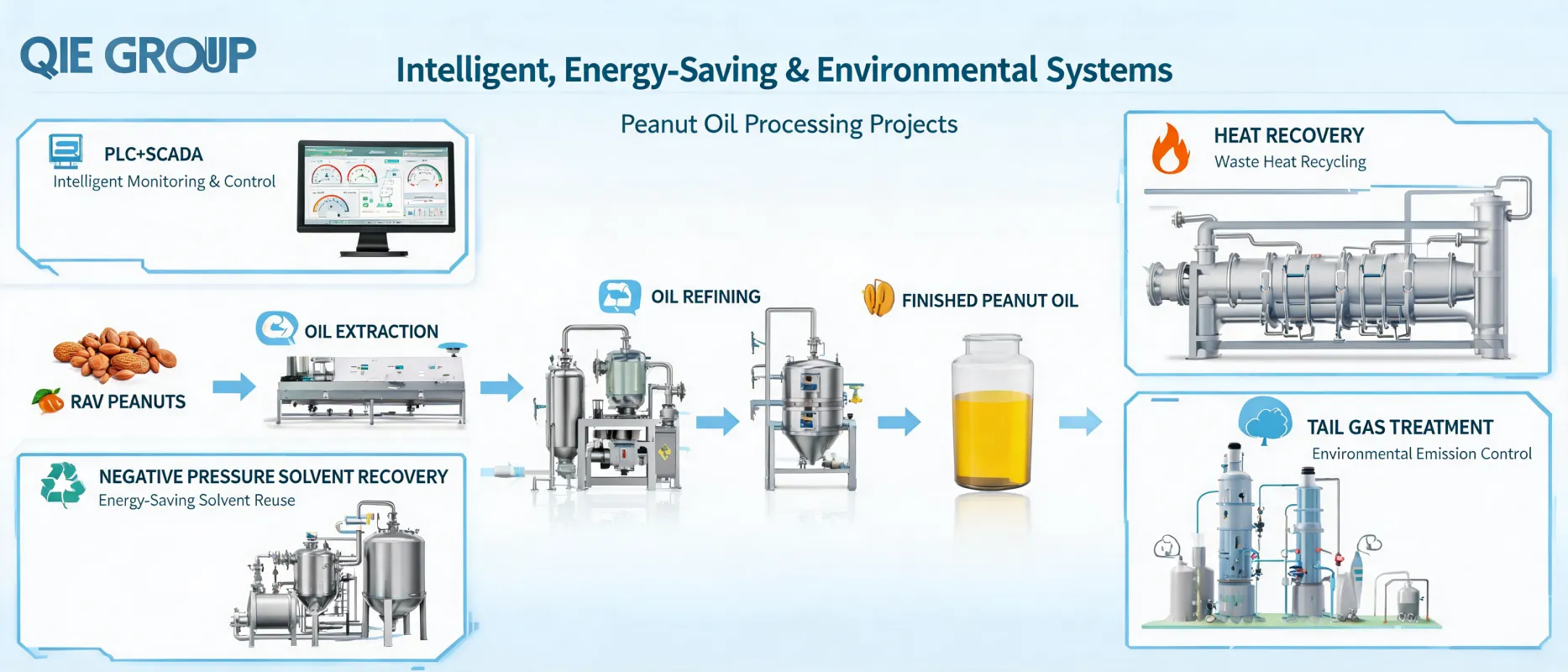
In an edible oil refining plant, energy consumption is a key factor affecting production cost. The real difference in performance is not equipment alone, but the system-level design of energy use and process integration.
① Vacuum Deodorization: Lower Temperature, Lower Energy Use
A high-vacuum low-temperature refining process reduces the boiling point of oil under negative pressure. This lowers steam consumption while protecting key nutrients such as oryzanol and vitamin E.
② Heat Recovery System: Energy Recycling in Plant Operation
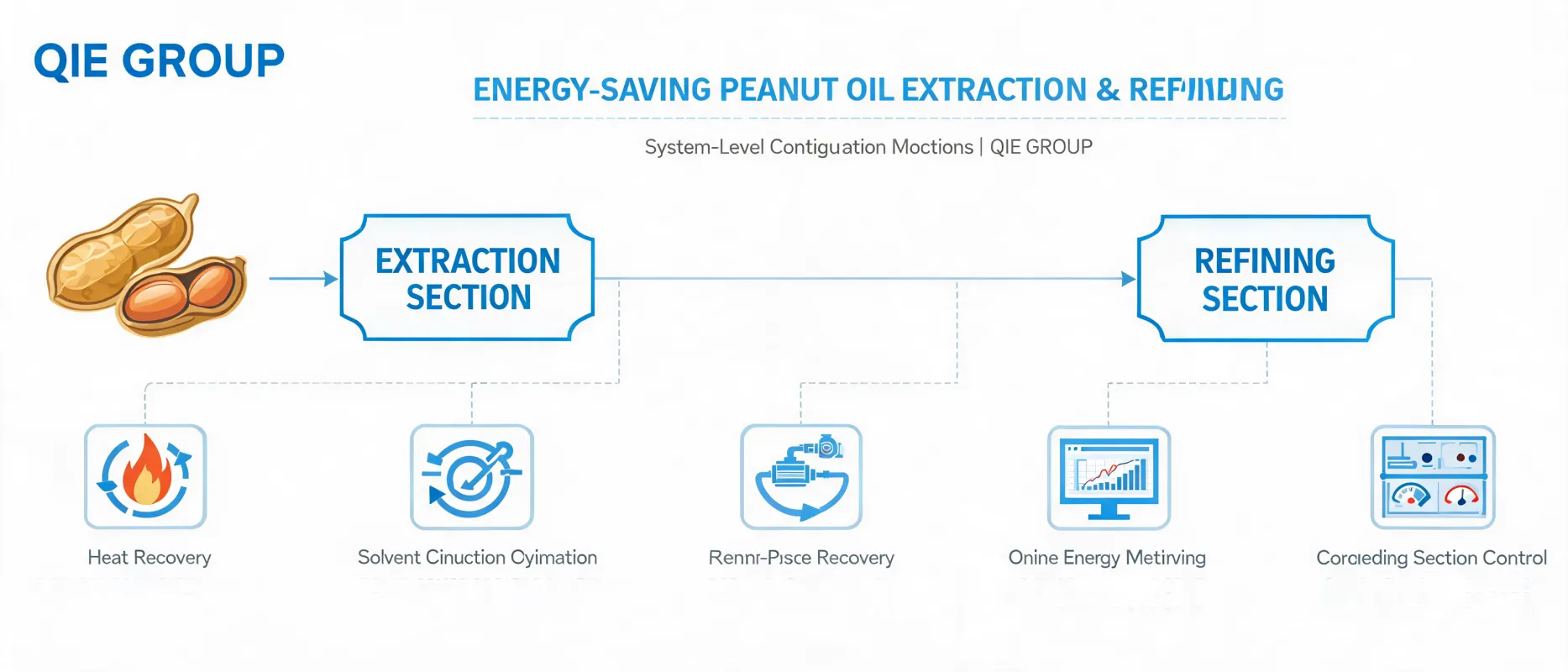
In modern vegetable oil refining EPC plants, waste heat from refining is recovered through heat exchangers and reused across production stages, reducing external energy demand.
③ System Optimization: Overall Energy Saving
With integrated vacuum and heat recovery design, an edible oil processing plant can achieve 10%–15% energy savings through improved thermal efficiency and process coordination.
True energy efficiency in edible oil refining systems comes from process integration, not single equipment upgrades. A well-designed turnkey edible oil refinery plant ensures stable operation, lower energy consumption, and higher overall efficiency.